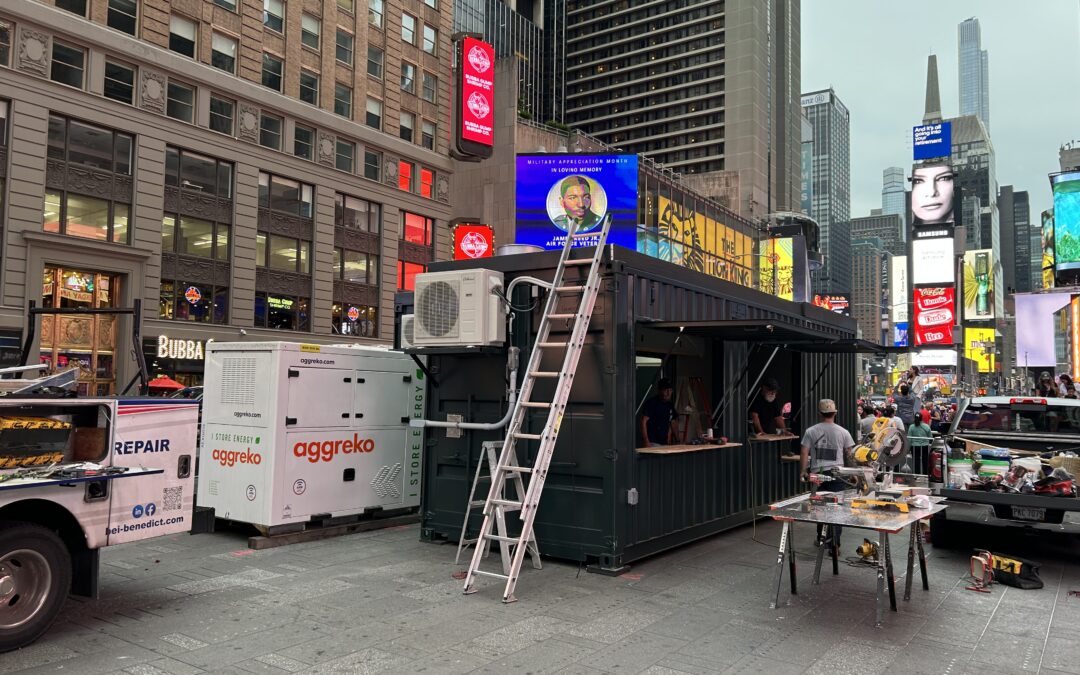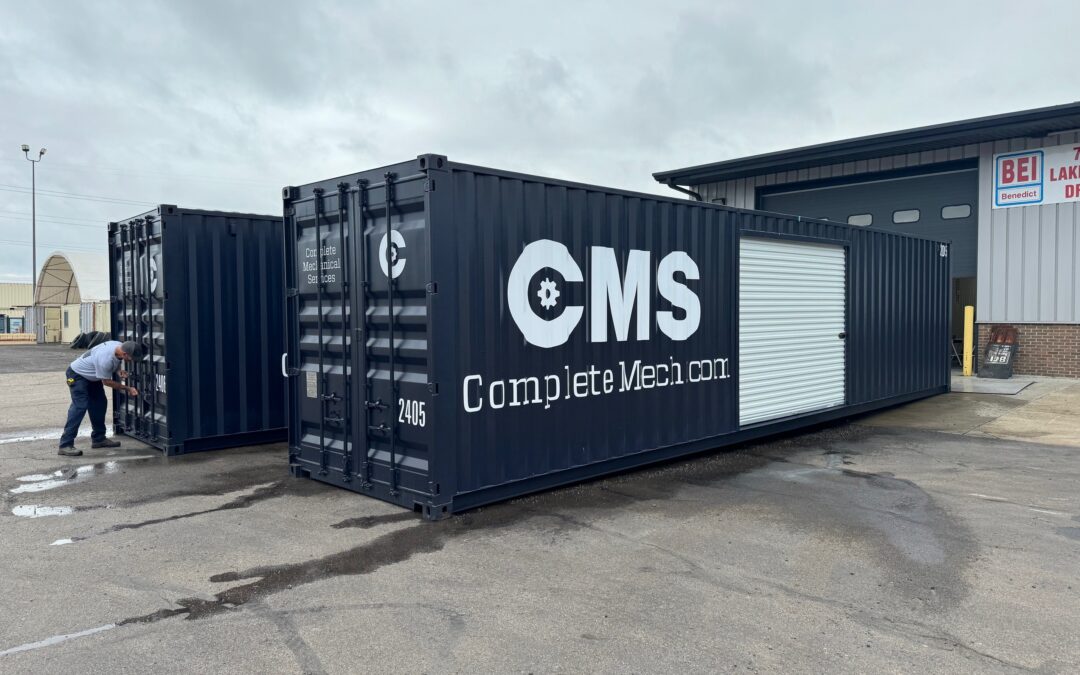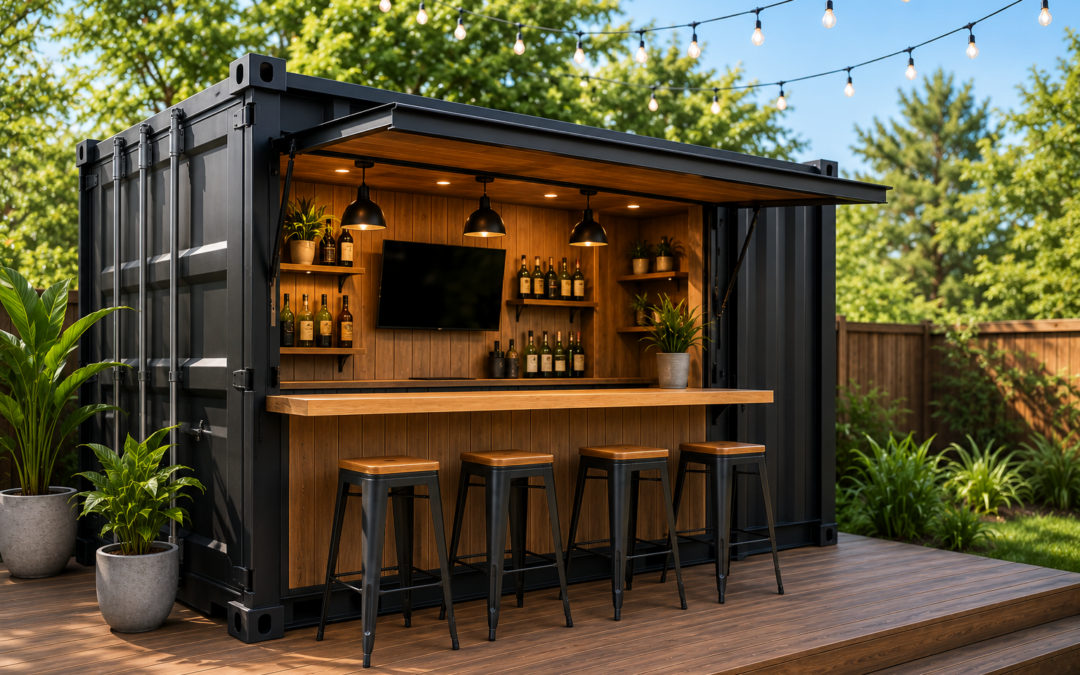
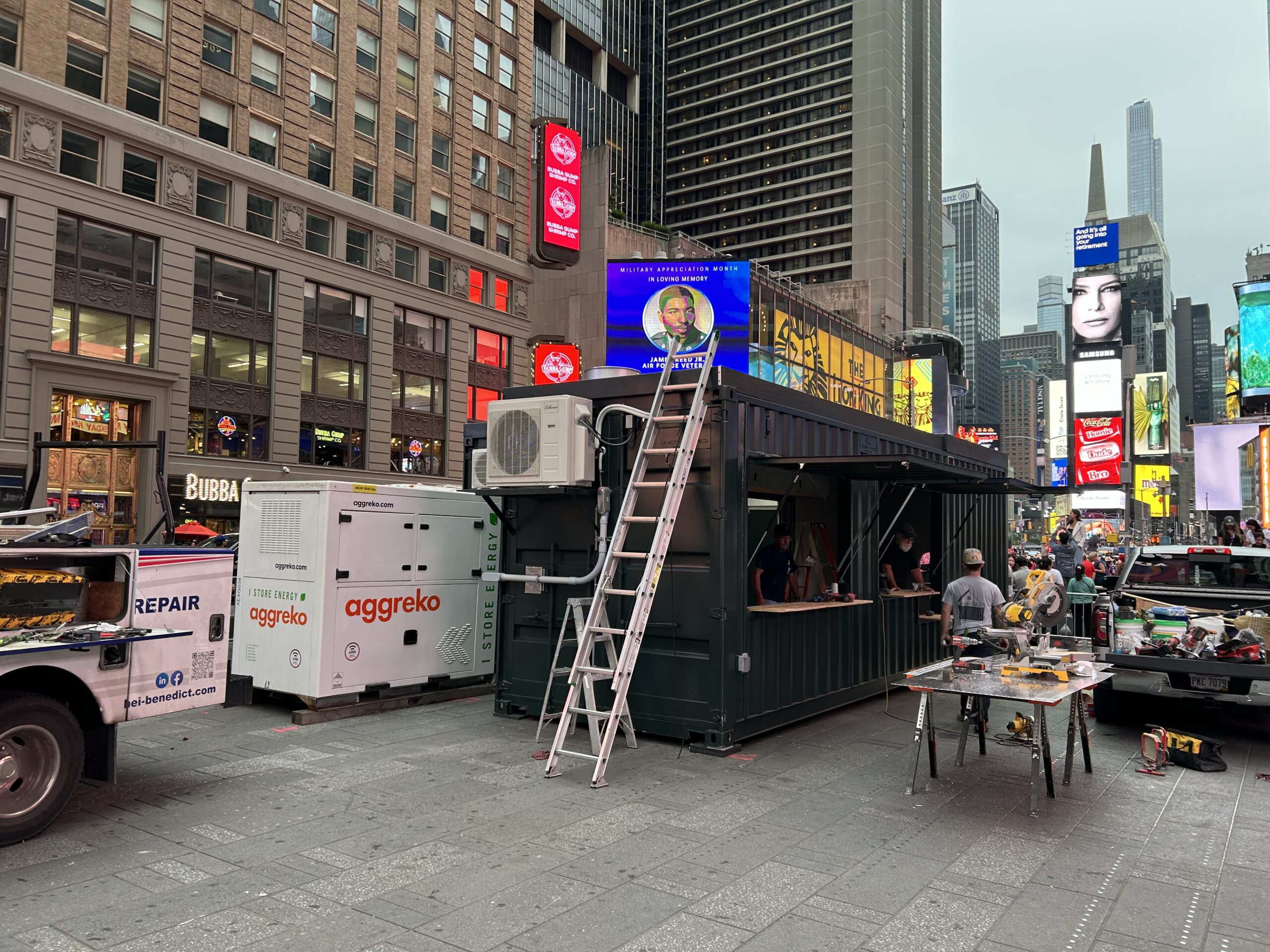
A modular container office isn’t just a box—it’s a strategic investment. From temporary job site office containers to permanent office expansions, asking the right questions ensures your project is cost-effective, functional, and future-proof.
Quick Checklist
| Section | Key Consideration | Practical Guidelines |
| Project Goals | Purpose, capacity, growth | Clarify objectives, sketch layouts, decide on temporary vs permanent use. |
| Customization | Interior & exterior features | Prioritize essentials, confirm structural limits, check warranty. |
| Delivery & Permits | Access, foundation, approvals | Coordinate early with builder, check zoning, plan installation. |
| Costs & Warranties | Base price, modifications, financing | Compare quotes, budget contingencies, review warranty. |
| Builder Experience | Track record, references, support | Verify credentials, request references, ensure post-installation support. |
| Utilities | HVAC, electricity, plumbing, internet | Pre-plan utility needs for efficiency and comfort. |
| Durability | Materials, weatherproofing, maintenance | Choose robust materials, plan maintenance, verify local suitability. |
| Expansion | Stacking, relocation, resale | Opt for modular, flexible designs that accommodate growth. |
| Sustainability | Energy efficiency, recycled materials | Use recycled containers, energy-efficient systems, reduce waste. |
Project Planning & Design
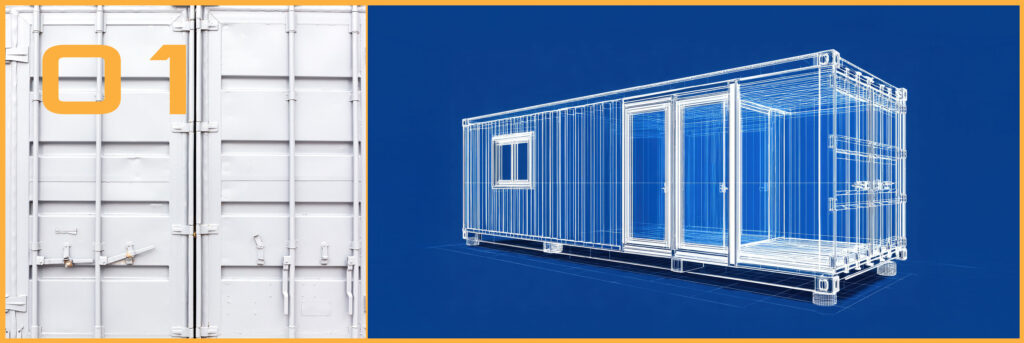
Questions to Ask:
- What is the primary function (office, storage, retail, hybrid)?
- How many people will use the space, and will that change?
- Temporary or permanent use?
- Industry-specific requirements?
- Layout needs (private rooms, open areas, conference space)?
- Interior finishes — flooring, insulation, lighting?
Practical Guidance:
Define goals early. Sketch your layout, estimate occupancy, and identify essential features before customizing. Knowing whether the project is temporary or permanent shapes materials, utilities, and building standards.
Customizations, Durability & Future Flexibility
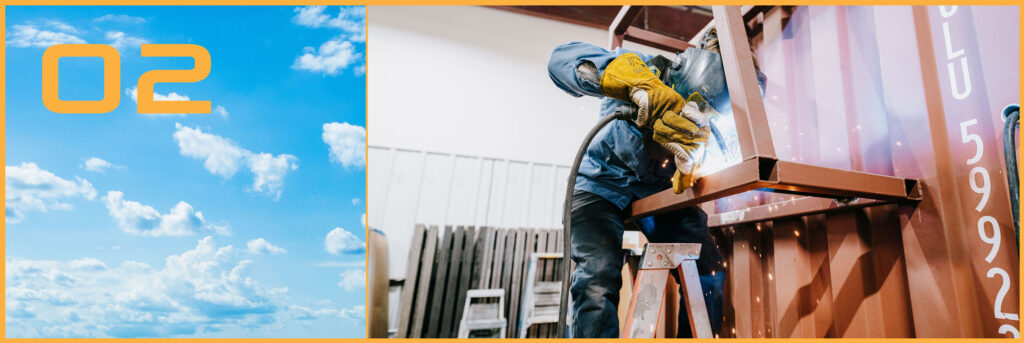
Questions to Ask:
- Doors, windows, ramps, and exterior features needed?
- Any structural changes—and do they affect the warranty?
- Security, branding, or soundproofing needs?
- New or repurposed container?
- Corrosion protection, roofing, and waterproofing?
- Can units be stacked, expanded, relocated, or repurposed later?
- Will future utility upgrades be possible?
Practical Guidance:
Prioritize must-have modifications and confirm what’s structurally feasible. Choose durable materials suited for local weather, and design with long-term flexibility in mind (stacking, connecting, or relocating units).
Logistics, Utilities & Installation Flexibility and Operational Efficiency
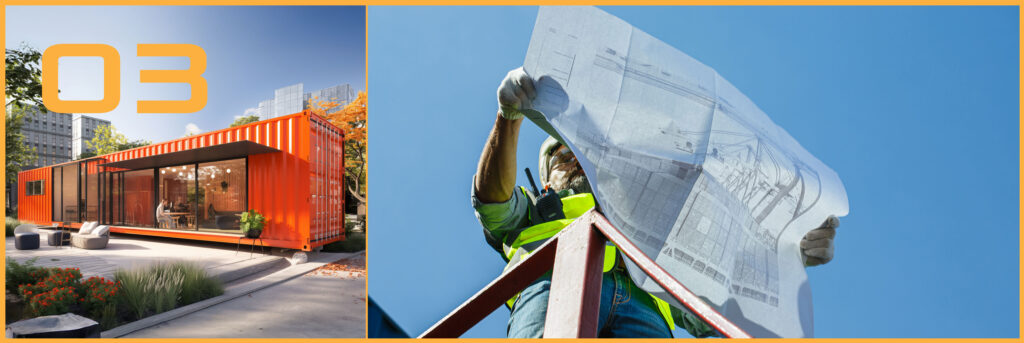
Questions to Ask:
- Will the container fit on-site? Any access, road, or weight restrictions?
- Foundation requirements?
- Zoning or building permits needed?
- Does the builder manage delivery and installation?
- Electrical, plumbing, HVAC, and internet requirements?
- Can HVAC maintain comfort year-round?
- Are energy-efficient options available?
Practical Guidance:
Prepare the site early and coordinate logistics with your builder to avoid delays. Plan all utilities before installation—it’s far more efficient and cost-effective than adding them later.
Budget, Builder Selection & Long-Term Value
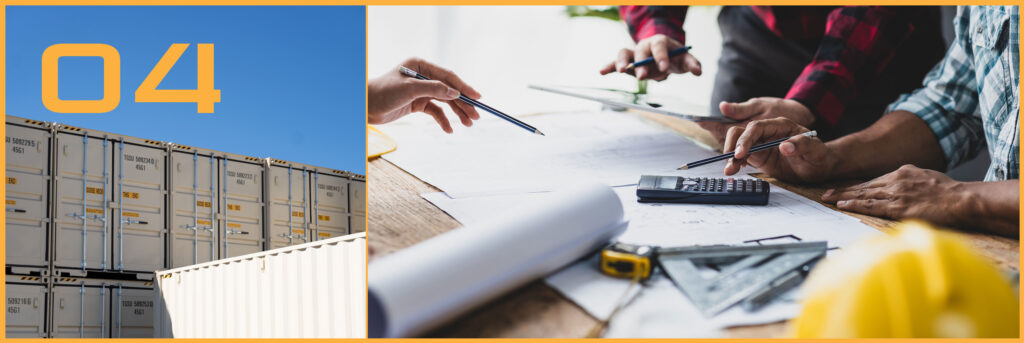
Questions to Ask:
- What’s included in the base price?
- Cost of customizations?
- Additional fees (site prep, inspections, permits)?
- Financing or leasing options?
- Warranty coverage and exclusions?
- Builder experience with similar projects?
- References or project examples?
- Post-installation support and maintenance expectations?
Practical Guidance:
Get detailed quotes, review warranty terms, and choose an experienced builder who can anticipate challenges. Vet references, confirm support after installation, and understand long-term maintenance needs to protect your investment.
FAQ
How long does setup take?
Typically 2–6 weeks depending on size, customization, and site prep.
Can utilities be added later?
Yes, but planning ahead is significantly cheaper.
Are container offices secure?
Yes, reinforced steel, strong locks, and optional alarms make them highly secure.
Can containers be stacked?
Yes, if designed for stacking and installed on the proper foundation.
Ready to start a commercial container project? Contact us today to get started.