Custom shipping containers offer businesses and homeowners another way to think about expansion. Whether you’ve outgrown the space you have, want to reach customers in a new way, or are ready to explore a new concept or market, expansion can take many forms. UNCONTAINED brings flexibility and creativity to the…
UNCONTAINED BLOG
Rethink Expansion with Custom Shipping Containers
Custom shipping containers offer businesses and homeowners another way to think about expansion. Whether you’ve outgrown the space you have, want to reach customers in a new way, or are ready to explore a new concept or market, expansion can take many forms.
UNCONTAINED brings flexibility and creativity to the process, opening the door to new possibilities.
Thinking Beyond the Traditional Addition
Building with shipping containers allows you to add separate space to an existing home or business without taking on a major renovation.
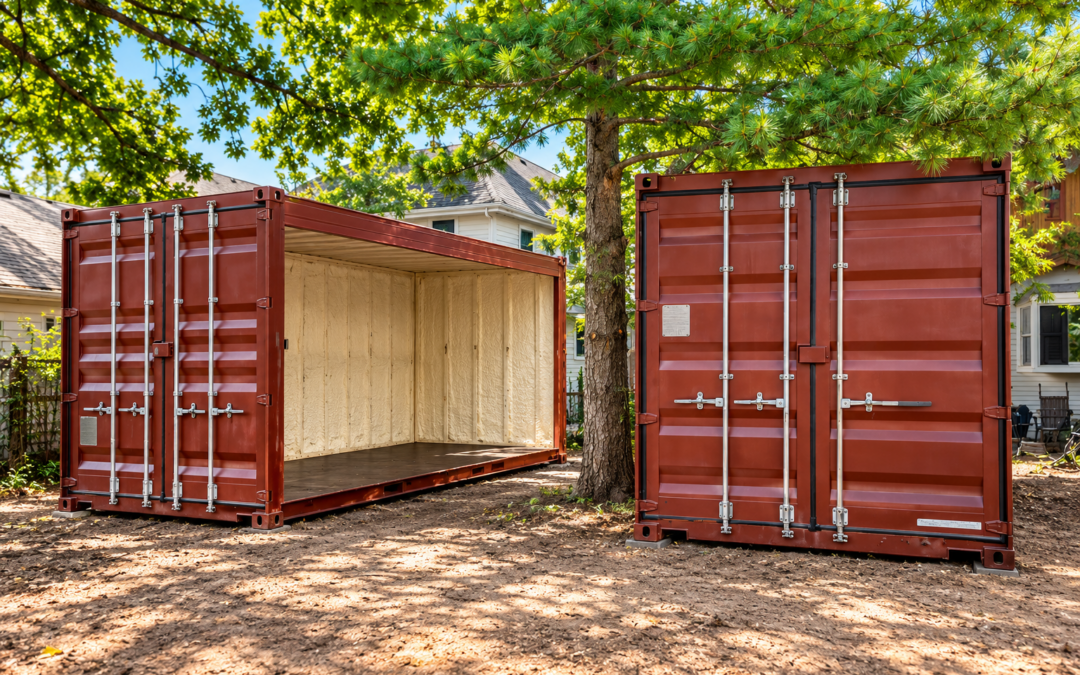
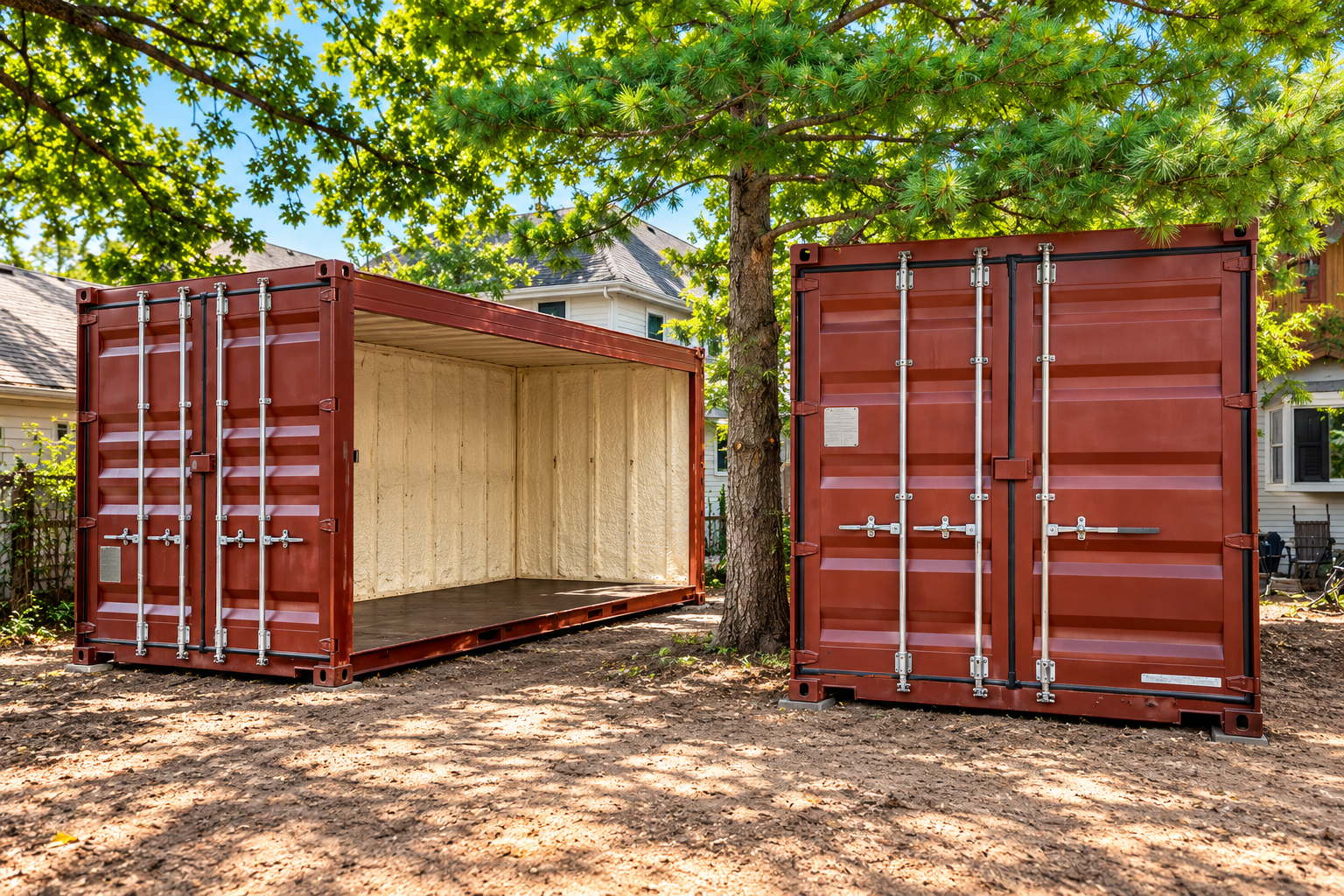
UNCONTAINED’s Grandview Garage project is a great example. Two 20-foot high-cube custom shipping containers became the starting point for a functional garage and workspace. One side will serve as a car garage and charging station for the homeowner’s electric vehicle, while the remaining space will provide room for storage and a workshop for woodworking and metal jewelry making.
The design also includes an accordion-style patio door, custom steel fencing, and a deck and wood structure connecting the containers. The containers were intentionally rusted to complement the cedar-colored accents on the home, giving the addition a unique look while repurposing shipping containers.
Creating New Ways to Serve Your Customers
Expansion can go beyond adding onto the space you already have. It can also mean creating a new experience.
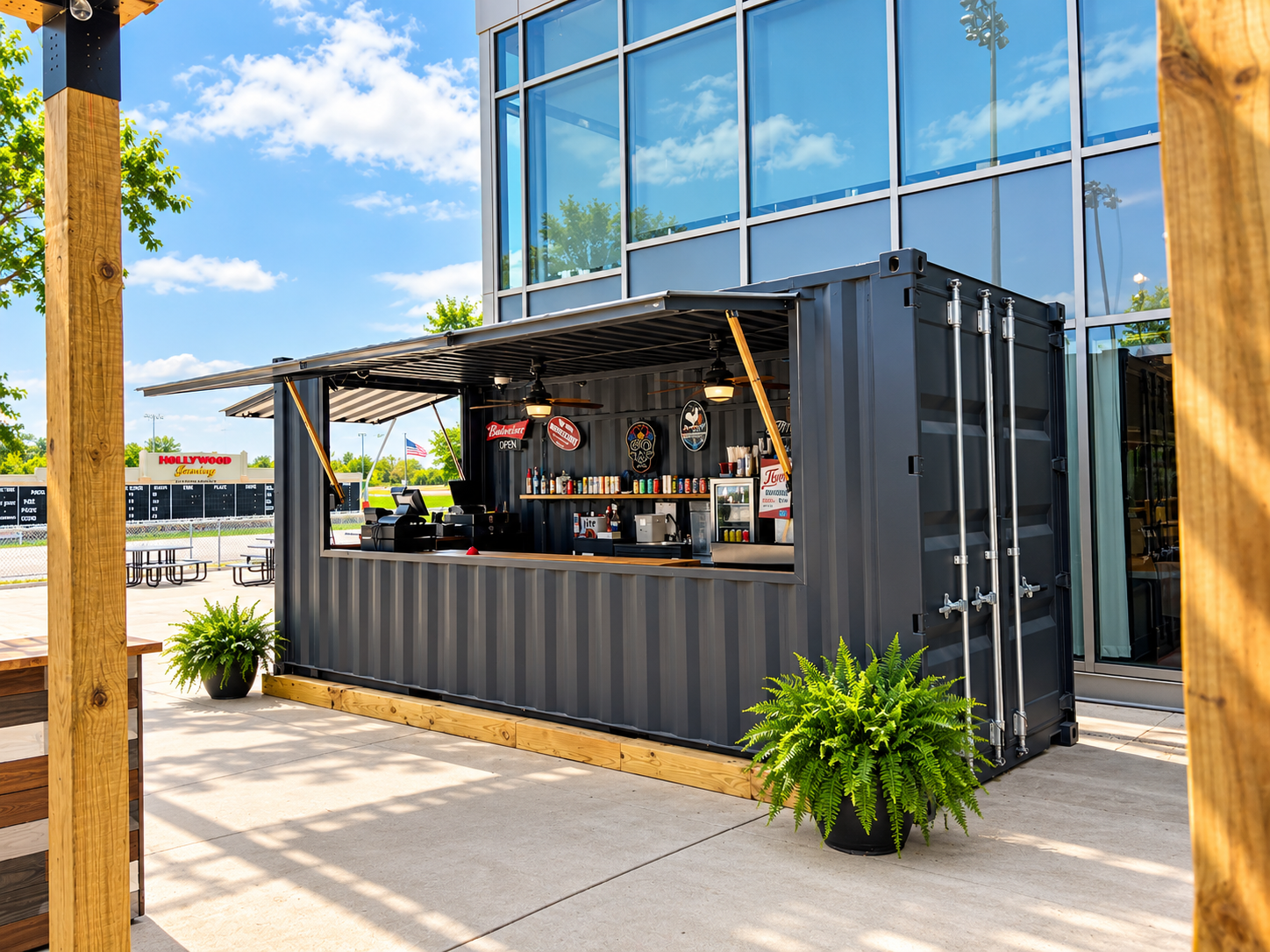
At Hollywood Casino, a custom shipping container was used to create an outdoor bar area for events and gatherings. As one of the only places at the casino where guests can get beverages outdoors, the space gives visitors another place to socialize, spend time outside, and enjoy the property in a different way.
For businesses, a custom shipping container can turn an underused outdoor area into a space that serves a specific purpose and adds to the customer experience.
Exploring a New Market or Concept
Expanding into a new market or testing a new concept can start before opening a storefront. A custom shipping container gives business owners and entrepreneurs space to bring an idea to life or reach customers outside of their current location.
Ready to Expand?
Building with shipping containers opens the door to creative solutions that go beyond traditional construction. From adding functional space at home to creating a new customer experience or bringing a business idea to life, the possibilities start with how you want to use the space.
At UNCONTAINED, we design and build custom shipping containers around your vision.
Related Posts & Information
Building With Shipping Containers? Start With the Right Customizations
When you're building with shipping containers, there's plenty of room to think outside the box. But a great idea is only the beginning. Before the first cut is made or the first customization is added, there's one question we always come back to: What does your container need to do?…
More Then A Storage Solution: Turn Your Shipping Container into A Branding Opportunity
Building with shipping containers is changing the way contractors and businesses think about temporary workspaces and storage solutions. More companies are choosing shipping containers because they offer greater durability, security, flexibility, and customizations. From construction sites and commercial developments to sales centers and branded workspaces, companies are discovering that a…
Why More Homeowners Are Building With Shipping Containers
When homeowners start planning outdoor projects, a pole barn is often the first solution that comes to mind. For decades, pole barns have been used for storage, workshops, and hobby spaces. But today, more homeowners are discovering a flexible alternative: building with shipping containers. What was once considered to be
Let’s get started.
Give us a call to talk more about your upcoming projects.
We’re ready when you are.