Considering a shipping container for your next home or business space? These versatile steel structures offer sustainability, speed, and style that traditional construction can’t match. Before diving into your container build, here’s what our team at UNCONTAINED believes you should know.
Why Choose Container Architecture?
Container builds have surged in popularity for good reason. They offer remarkable sustainability by repurposing thousands of pounds of steel that might otherwise end up in landfills. Projects typically are completed 30-40% faster than traditional construction, and many designs can be relocated if your needs change. Built to withstand ocean transport, these structures offer exceptional durability that lasts for decades. Perhaps most appealingly, they provide a unique industrial-modern aesthetic that makes your space truly stand out.
7 Steps Before Starting Your Container Build
- Define Your Vision
Before selecting containers or hiring professionals, get clear on the primary function of your space—whether it’s a home, retail location, or office. Determine if you need permanent construction or something portable. Establish a realistic budget range and desired timeline. Having concrete answers to these questions will guide every subsequent decision in your container journey. - Assess Your Site
Your location significantly impacts your container project. Verify that local zoning codes permit container structures before proceeding. Ensure your site has sufficient clearance for delivery trucks and cranes that will bring your containers. Remember that even “temporary” containers require proper foundations. Plan ahead for necessary utility connections including water and power. Consider how local climate factors will affect insulation needs, orientation, and structural choices.
Pro tip: Get a professional site assessment before purchasing land or containers. We offer evaluations to identify potential challenges early in the process. - Choose the Right Container
Container selection matters more than most people realize. New “one-trip” containers offer minimal rust and no dents—ideal for appearance-focused projects. Used containers are more economical and come with character-adding patina, that many find appealing. High-cube containers provide an extra foot of height, creating more comfortable interior spaces. Standard sizes include 20-foot (approximately 160 sq. ft.) or 40-foot (approximately 320 sq. ft.) options. The right container type depends on your specific project needs and budget constraints. - Understand the True Costs
While often more affordable than traditional construction, container projects still require realistic budgeting. New 20-foot containers typically cost $3,000-$5,000, while 40-foot versions range from $5,000-$7,000. Used containers can be 30-50% less expensive, depending on condition.
Beyond the container itself, remember to budget for foundation work, delivery and crane services, insulation (critical for comfort), utilities connections, interior finishing, and permits and engineering. Most completed container projects range from $150-$400 per square foot, depending on complexity, finishes, and location. - Navigate Permits and Regulations
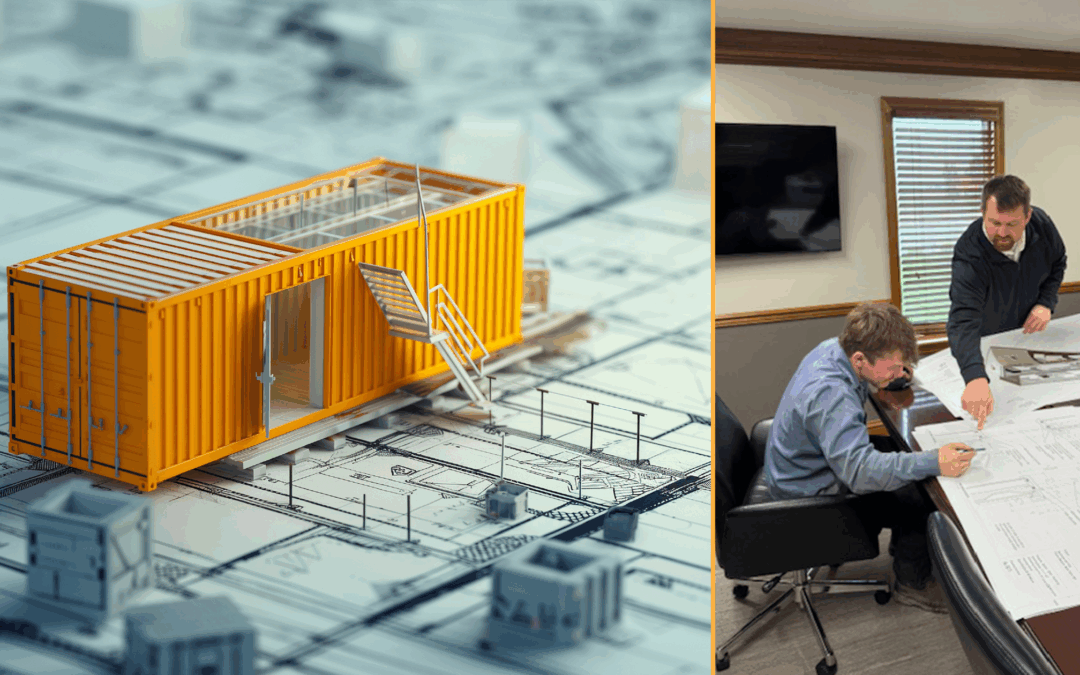
The regulatory landscape varies dramatically between jurisdictions. Typically, you’ll need architectural plans, structural engineering approval, foundation specifications, electrical and plumbing plans, a site plan showing setbacks, and energy compliance documentation. Working with professionals experienced in container permitting can significantly streamline this process and prevent costly delays that many first-time container builders encounter. - Design With Container Properties in Mind
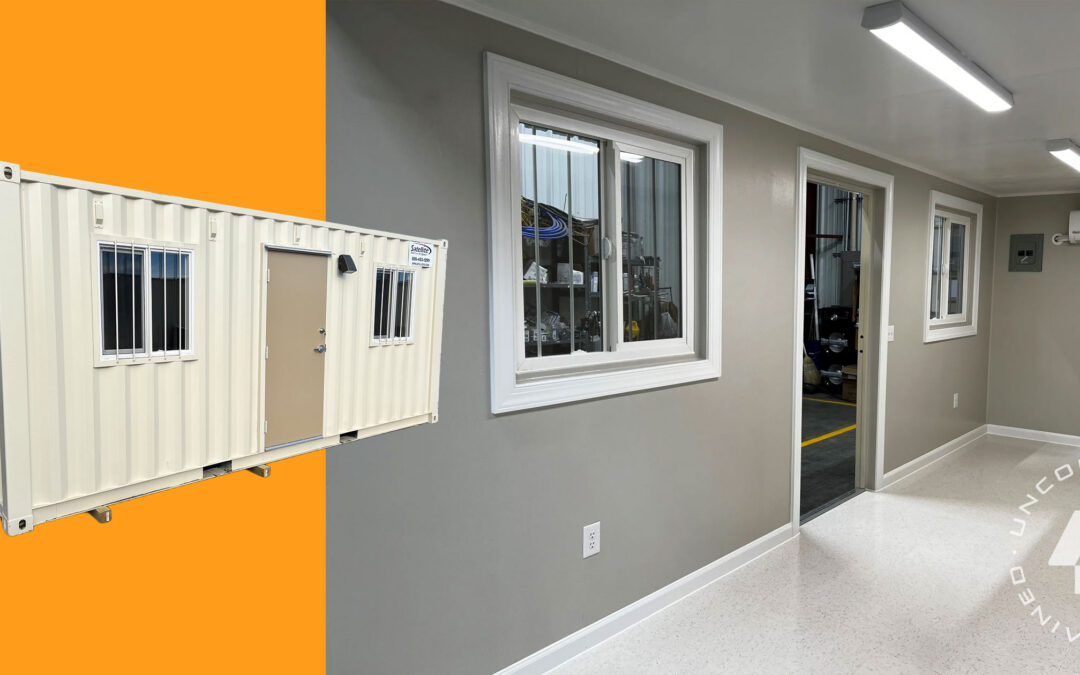
Successful container architecture works with—not against—these structures’ inherent properties. Every cut requires appropriate structural reinforcement to maintain integrity. Container corners bear the most weight and should generally remain intact when planning modifications. Interior insulation reduces usable space by 3-4 inches on all surfaces, which must be factored into your design. Steel conducts heat and cold efficiently, making proper insulation critical for comfort. Condensation management requires thoughtful ventilation solutions to prevent moisture problems.
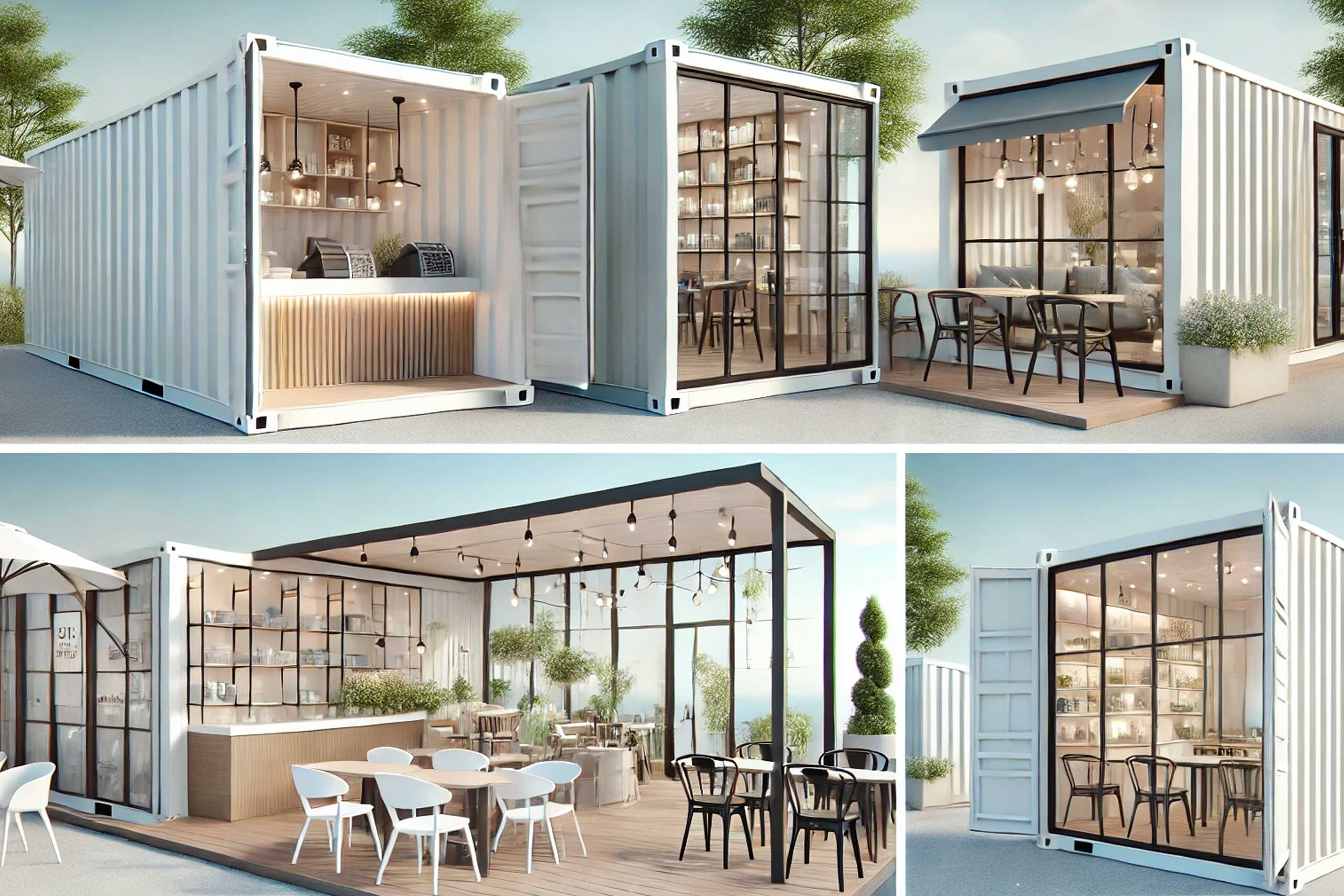
Multi-container designs create larger, more flexible spaces while strategic vertical design maximizes limited square footage. Working with designers who understand these container-specific considerations will result in more successful outcomes. - Select Experienced Professionals
Your project’s success depends heavily on working with the right team. Look for professionals with proven container project experience, knowledge of structural modification requirements, familiarity with container-specific challenges like insulation, and understanding of local container building regulations. Ask to see examples of their completed container projects before committing to ensure they have the specialized expertise your project requires.
Common Timeline Expectations
Understanding the typical process helps set realistic expectations for your project. Initial consultation and concept development typically takes 2-3 weeks, followed by design and engineering for another 3-6 weeks. The permitting phase can vary significantly from 2-12 weeks depending on your location. Container procurement and fabrication generally requires 6-10 weeks, while site preparation takes 2-4 weeks (often running concurrently with fabrication). Final installation and finishing usually requires 2-6 weeks.
Most container projects are completed within 4-7 months from concept to move-in—significantly faster than comparable traditional construction, but still requiring careful planning and patience.
Is a Container Build Right for You?
Container architecture offers incredible benefits but isn’t ideal for every situation. These structures are perfect if you value creative, distinctive spaces, prioritize sustainability, appreciate industrial-modern aesthetics, want faster construction timelines, or see value in potential mobility.
However, you might want to consider alternatives if you need extremely large, open spaces without supporting elements, face prohibitive local regulations regarding container structures, prefer strictly traditional aesthetics, or require immediate occupancy.
Ready to Start Your Container Journey?
At UNCONTAINED, we’ve guided countless clients through successful container transformations. Our team provides the expertise needed to navigate the unique challenges and opportunities of container architecture.
Whether you’re ready to begin or just exploring possibilities, contact us for a consultation to determine if container construction aligns with your vision, budget, and timeline.
Schedule your free discovery call today! Plus, check out our Instagram page to explore container transformations that showcase the incredible potential of these versatile structures.
Explore what’s possible when vision meets versatility. Contact UNCONTAINED to start your own space-defying project.